Understanding Social Security Continuing Disability Reviews: What Every Beneficiary Needs to Know
For individuals receiving Social Security Disability (SSD) or Supplemental Security Income (SSI) benefits, the peace of mind that comes with approved benefits is invaluable. However, it's crucial to understand that these benefits are not necessarily permanent. The Social Security Administration (SSA) periodically conducts what are known as Continuing Disability Reviews (CDRs). These reviews serve a vital purpose: to ensure that beneficiaries continue to meet the SSA's strict definition of disability.
Congress has been increasing funding for these reviews, underscoring their importance in maintaining the integrity of the disability program. While the thought of a review can be daunting, understanding the process, what to expect, and how to prepare can significantly ease concerns and help protect your entitlement to benefits. This comprehensive guide will walk you through the intricacies of CDRs, offering essential insights and practical advice.
How Continuing Disability Reviews Work: The Step-by-Step Process
The CDR process is a structured evaluation designed to determine if your medical condition has improved to the point where you are no longer considered disabled under Social Security rules, or if you have returned to substantial gainful activity. Here's a breakdown of how it typically unfolds:
- Initial Contact and Questionnaire: The process usually begins when the SSA sends you a questionnaire. This document, often called a Disability Update Report (Form SSA-454-BK) or a Short Form CDR (Form SSA-455-OCR-SM), asks about your recent medical care, doctors' visits, hospitalizations, medications, and any work activity. It also requests your consent to obtain updated medical records.
- Medical Record Gathering: Upon receiving your completed questionnaire and release forms, the SSA will gather updated medical evidence from the healthcare providers you've listed. This is a critical step, as the decision hinges on the evidence contained within these records.
- Review by a Non-Examining Medical Professional: Once all relevant medical records are assembled, a reviewing doctor or disability examiner, who does not physically examine you, will review your file. Their task is to determine if there is sufficient evidence of medical improvement since your last disability determination.
- The "Medical Improvement Standard": This is a cornerstone of the CDR process. For your benefits to be cut off, there MUST be some evidence of medical improvement that demonstrates an ability to engage in substantial gainful activity. Without such evidence, your benefits should continue. The burden of proof in a CDR largely rests with the SSA; they must prove that your condition has improved.
- Decision Notification: If the SSA determines there is sufficient evidence of medical improvement leading to an ability to work, you will be informed of this decision. This notice will explain why your benefits are being terminated.
Navigating the Appeals Process for a CDR Decision
Receiving a notice that your disability benefits are being terminated can be alarming, but it's crucial to remember that you have the right to appeal this decision. The appeals process for a CDR is slightly different from the initial application process and offers important protections:
- The 10-Day Rule for Continued Benefits: If you request a review of the decision within ten days of receiving notice that your benefits will be cut off, you may continue to receive benefits while your appeal is pending. This is a vital protection, as it can prevent an immediate disruption to your income. However, be aware that if you ultimately lose your appeals, you will likely be expected to repay the benefits you received during the appeal period.
- Reconsideration Level Review: Unlike an initial application where the first hearing occurs after Reconsideration, claimants appealing a CDR denial typically get a very informal hearing at the Reconsideration level. This offers an early opportunity to present your case, often through an interview with a disability examiner, and submit additional evidence.
- Administrative Law Judge (ALJ) Hearing: If the Reconsideration decision is still unfavorable, you can request a hearing before an Administrative Law Judge. Crucially, if you requested continued benefits within the initial 10-day window, you can typically continue to receive your monthly checks while waiting for this ALJ hearing, which can take several months. An ALJ hearing is a formal proceeding where you (and often your legal representative) can present evidence, testify, and cross-examine witnesses.
Contesting an unfavorable decision is often in your best interest, especially if your medical condition has not improved. It shifts the focus back to the SSA to demonstrate that your condition genuinely allows you to return to work. Seeking legal counsel at any stage of the appeals process can significantly increase your chances of a successful outcome.
Who is Most Likely to Face a CDR and How Often?
While all recipients of Social Security disability benefits are subject to periodic Continuing Disability Reviews, the frequency of these reviews is not arbitrary. It is primarily based on the SSA's expectation of medical improvement for your specific condition:
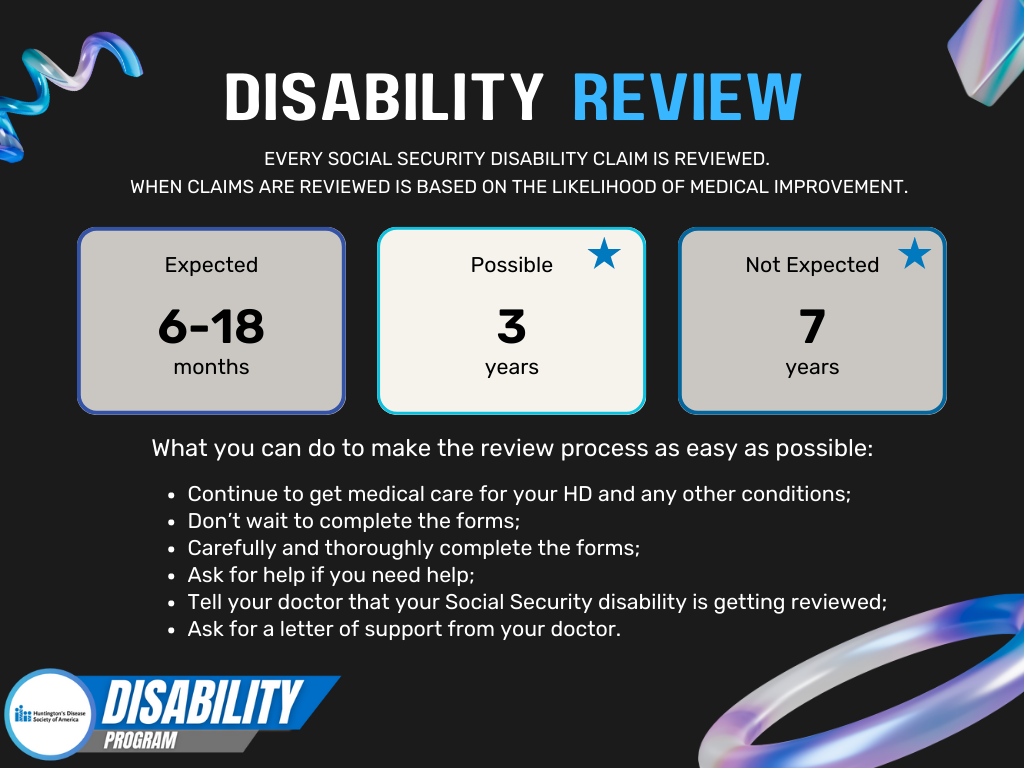
- Medical Improvement Expected (MIE): If your medical condition is expected to improve, the SSA will normally review your case within 6 to 18 months after the initial decision to award benefits. This category often includes conditions that are temporary, treatable, or might resolve with time (e.g., certain injuries, some cancers in remission).
- Medical Improvement Possible (MIP): For conditions where medical improvement is possible but not necessarily expected, a review of your medical condition is typically conducted every three years. Many chronic conditions fall into this category, where treatment might manage symptoms but not fully resolve the underlying impairment.
- Medical Improvement Not Expected (MINE): If your medical condition is considered permanent or unlikely to improve, reviews are less frequent, usually occurring every five to seven years. In some very severe cases, reviews might be even less frequent.
It's also worth noting that an Administrative Law Judge (ALJ) might explicitly state an expectation for improvement in their decision, which can influence the timing of your first CDR. Additionally, there are specific demographics considered more "at risk" for reviews:
- Younger Individuals: Younger disability recipients are often reviewed more frequently. The rationale is that they have a longer potential duration on benefits, and there are greater program savings to be achieved if their benefits are terminated.
- Children: Children receiving SSI disability benefits are also subject to reviews, particularly as they approach age 18, to determine if they meet the adult disability criteria.
While there is no "set length of time" for how long you will receive benefits, if your medical condition has not improved and you continue to meet the SSA's disability criteria, you can theoretically receive disability benefits for a lifetime.
Essential Tips for Protecting Your Disability Benefits
Being proactive and prepared is your best defense during a Continuing Disability Review. Here are critical tips to help protect your benefits:
- Always Stay in Your Medical Care: This is paramount, even before a CDR begins. Consistent medical treatment creates an unbroken record of your condition, its severity, and its impact on your daily life. Gaps in treatment can be interpreted as an indication that your condition has improved or is not as debilitating as claimed. Follow your doctors' recommendations for appointments, medications, and therapies.
- Cooperate with the Agency and Submit Paperwork on Time: When you receive the CDR questionnaire, complete it thoroughly and accurately, and return it by the specified deadline. Provide all requested medical release forms promptly. Non-cooperation can lead to an unfavorable decision, even if your medical condition hasn't improved. Make copies of everything you send to the SSA for your records.
- Ensure Your Treating Doctor is Aware of the CDR: Your treating physician's input is invaluable. Make sure they understand that your disability claim is being reviewed. Encourage them to document your ongoing symptoms, functional limitations, and how your condition affects your ability to work and perform daily activities in your medical file. They can provide supportive remarks that are crucial evidence for the SSA. Don't assume your doctor knows exactly what the SSA is looking for; have an open discussion.
- Contest Any Decision to Terminate Benefits (Unless You've Returned to Work): If the SSA decides to cut off your benefits and you haven't returned to work, it is almost always advisable to appeal. Remember the critical 10-day deadline to ensure you continue receiving benefits during the appeals process. The SSA must prove medical improvement, so your appeal forces them to substantiate their claim.
- Maintain Your Own Records: Keep a personal file of all your medical records, including doctor's notes, test results, prescription lists, and hospitalizations. Also, keep copies of all correspondence with the SSA. This can be invaluable if records go missing or if you need to quickly provide information.
- Consider Legal Representation: Navigating the CDR process and especially the appeals can be complex. An experienced disability attorney can help you understand your rights, gather necessary evidence, communicate with the SSA, and represent you effectively during hearings. Their expertise can significantly improve your chances of success.
For a deeper dive into specific strategies and what steps to take, read our article How to Defend Your Disability Benefits During a CDR.
Conclusion
Continuing Disability Reviews are a standard part of the Social Security disability program, designed to ensure that benefits are only provided to those who continue to meet eligibility requirements. While the prospect of a CDR can cause anxiety, understanding the process, knowing your rights, and proactively preparing for a review can make all the difference. By staying in consistent medical care, cooperating with the SSA, keeping your doctors informed, and being prepared to contest unfavorable decisions, you can significantly strengthen your position and protect your vital disability benefits.